
 Locations



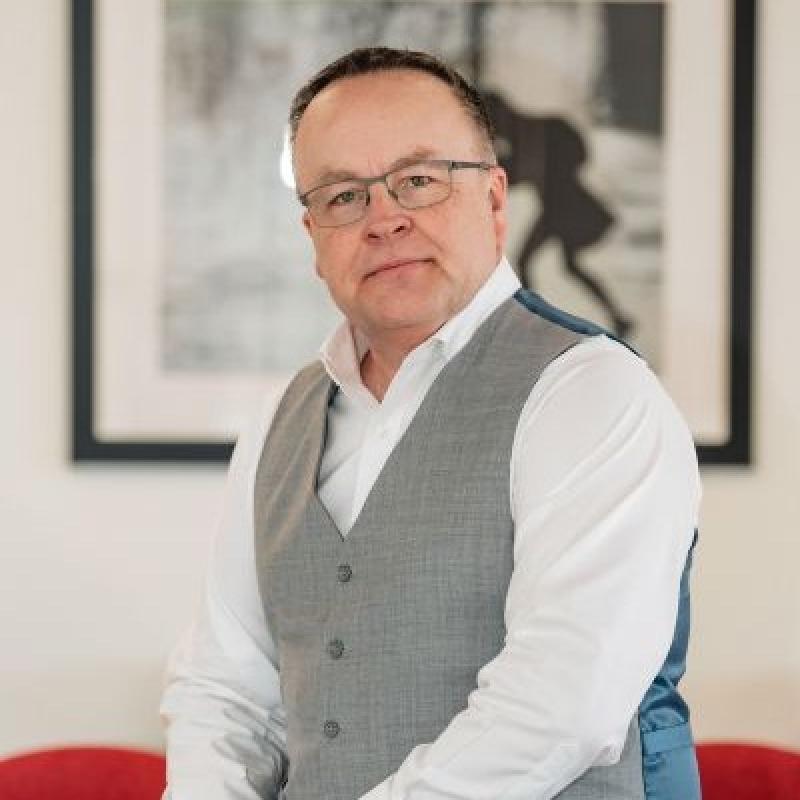
Cielo Waste Solutions Corp. has pivoted from its plan to produce low-carbon biofuels in Alberta, instead setting its sights on Prince George, B.C.
In 2024, the Calgary-based clean fuels infrastructure developer first intended to set up shop in the Alberta hamlets of Carseland and Dunmore to generate biofuels from wood railway ties and construction waste.
Since then, it has shifted to the territory of the Lheidli T’enneh First Nation, where Cielo plans to produce fuels from not only the ties, but forestry wastes, in an effort dubbed Project Nahoonai.
The primary output is designed to be sustainable aviation fuel (SAF), a lower-carbon version of conventional jet fuel. Most of the aviation sector’s greenhouse gas emissions arise from fuel use, so SAF is widely viewed as necessary to reduce its climate impact.
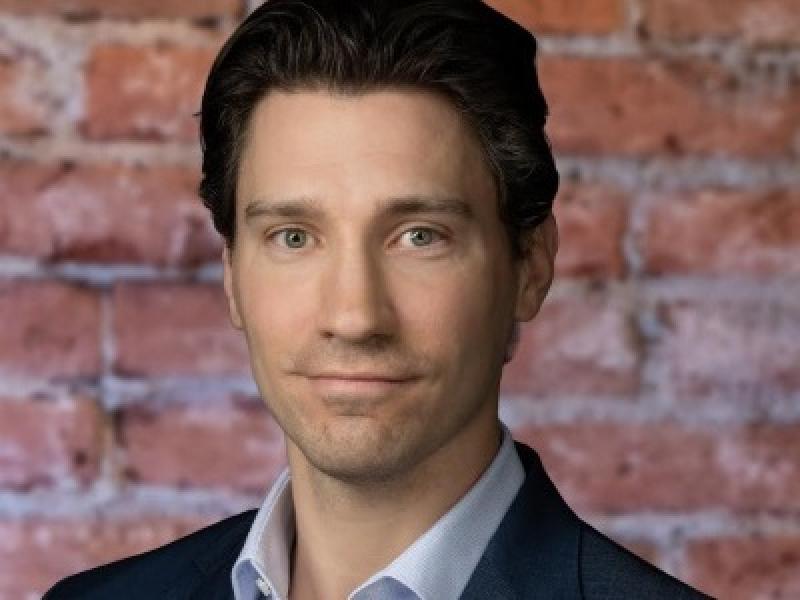
The friendlier business environment for green businesses in British Columbia compared to Alberta, and access to abundant biomass were the reasons for the move, Ryan Jackson, Cielo’s CEO, said in an interview with Sustainable Biz Canada.
“We finally have now positioned ourselves, I believe perfectly, to take advantage of the policy tailwinds.”
Project Nahoonai
Project Nahoonai was initially named Project Nexus. Nahoonai means “Place” in the Dakelh language, a name given after consultation with the Lheidli T’enneh First Nation, Jackson said.
Cielo is in the process of selecting industrial sites on which to place its project. Critical considerations for the location, Jackson said, are access to power, water, railways and roads.
The company has agreements in principle with local businesses to supply the biomass, Jackson said, though he would not disclose the names of the companies or the expected volumes.
The output from the facility – SAF and possibly other fuels like diesel and gasoline – are to be sold to offtakers. The company is engaged in conversations with companies to be a supplier, Jackson said.
Cielo is working to finalize the blend of fuel production from Project Nahoonai. While SAF is to be the main product, Jackson said the company could adjust the mix depending on the market.
Cielo plans to sell SAF at regular aviation fuel prices as part of Project Nahoonai, he added.
Jackson would not disclose the expected size of the upcoming facility, or the input and output. SAF production from Project Nahoonai is targeted to begin in 2030.
To cement more certainty around the regulations and financing structures, Cielo is developing Project Nahoonai with in partnership with the Lheidli T’enneh First Nation and its economic development arm Tano T’enneh Enterprises.
“That partnership is the foundation of what it is that we’re building in Prince George,” Jackson said.
SAF from biomass
The technology to be used in Project Nahoonai is based on the Fischer-Tropsch process. The biomass feedstock will be turned to syngas, then cleaned and distilled into a fuel.
To yield a carbon-negative product, Cielo plans to integrate a carbon capture system into its facility which would capture most of the carbon dioxide (CO2). The company would then dispose of the CO2 in a geologically friendly location, which it plans to disclose in the future.
“We’re not just saving emissions, we’re removing carbon out of the chain,” Jackson said.
Cielo has a shortlist of carbon capture technology providers, he said. The percentage of CO2 captured in the process is to be announced in the future. A conservative estimate for the removal of CO2, Jackson said, is negative 110 grams of CO2 per megajoule of fuel.
The SAF would have carbon-negative intensity under British Columbia’s Low Carbon Fuel Standard and Canada’s Clean Fuel Regulations if implemented according to plan. This would allow each tonne of CO2 captured and stored under the two regulations to generate a credit Cielo can sell.
Cielo keeping its "eyes on the ball"
Though SAF is important to tackle the aviation sector’s greenhouse gas emissions, the International Air Transport Association outlined the heavy challenges in its adoption: the low production of SAF – currently less than one per cent of global aviation fuel use – and the much higher cost compared to conventional fuels.
Despite the tall barriers, Jackson is bullish on the long-term prospects for SAF. Airlines led the initiative for decarbonization ahead of governments, he said, and there are dozens of SAF production facilities being planned around the world, showing the young sector has promise.
When Cielo was developing its project in Alberta, it also unveiled its intent to develop more sites in North America. While the company is viewing those opportunities “very much with open eyes,” it is focused on Nahoonai for now.
“So, more to come, certainly, but we definitively have our eyes on the ball,” Jackson said.


 Industry Events
 Locations