 Locations



Geomega Resources Inc. (GMA-X) has received environmental permitting for its rare earth magnet recycling demonstration facility in Quebec, a milestone on its journey to commercialize a process it developed.
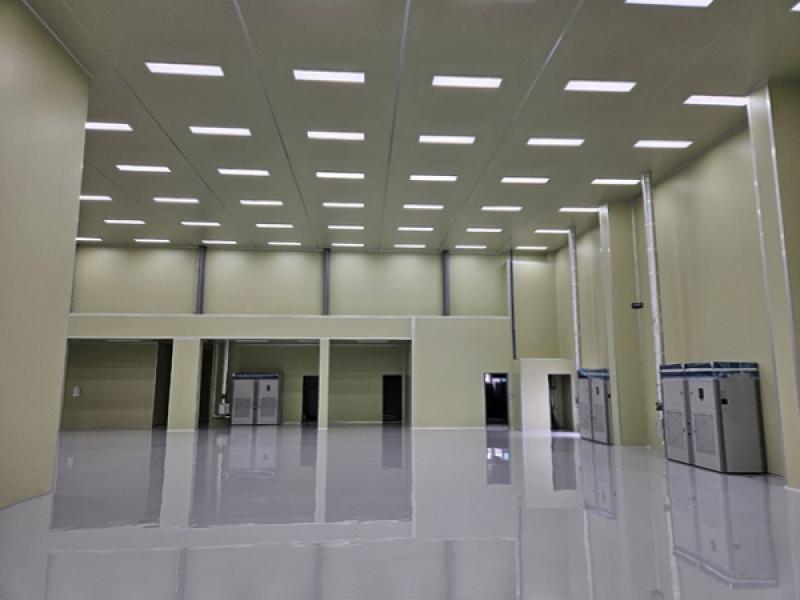
Identified as Geomega’s flagship facility by its president and CEO Kiril Mugerman, the site is being built in Saint-Hubert, a borough of Longueuil. Geomega plans to extract rare earth metals, iron and boron for reuse in supply chains.
“This is new chemistry that doesn’t exist anywhere else. You need to show that the chemistry works,” Mugerman said in an interview with Sustainable Biz Canada about the demonstration facility.
The company has received environment permitting for the demonstration project from Quebec’s Ministry of the Environment and the Fight Against Climate Change, which lasts until Dec. 31, 2028.
Rare earth metals, also called rare earth elements, are critical to make the magnets needed to manufacture wind turbines and electric vehicle motors, which are vital to the clean energy economy. MRI machines, compressors and robots also require magnets.
Geomega’s magnet recycling process
Based in Boucherville, Que., Geomega is developing metals extraction technologies that produce fewer pollutants compared to conventional means such as mining by exploiting discards like used electronics and wastes from aluminum processing.
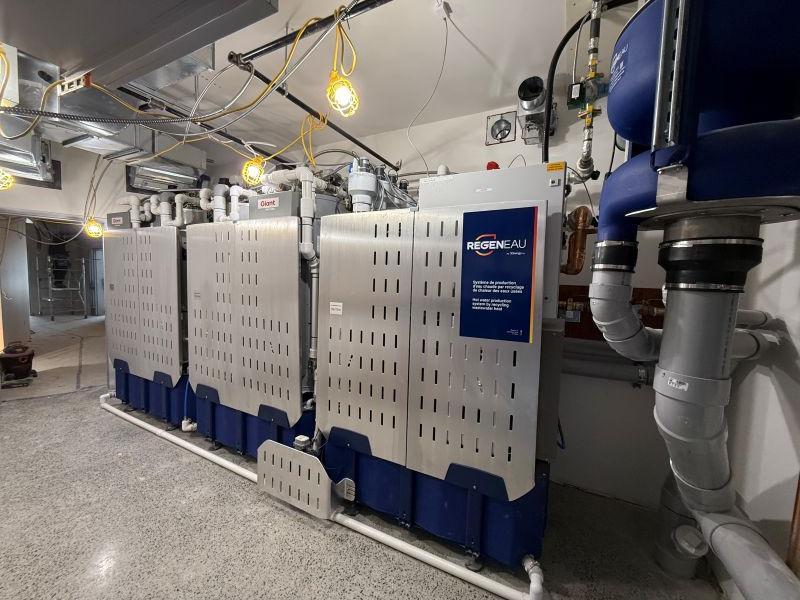
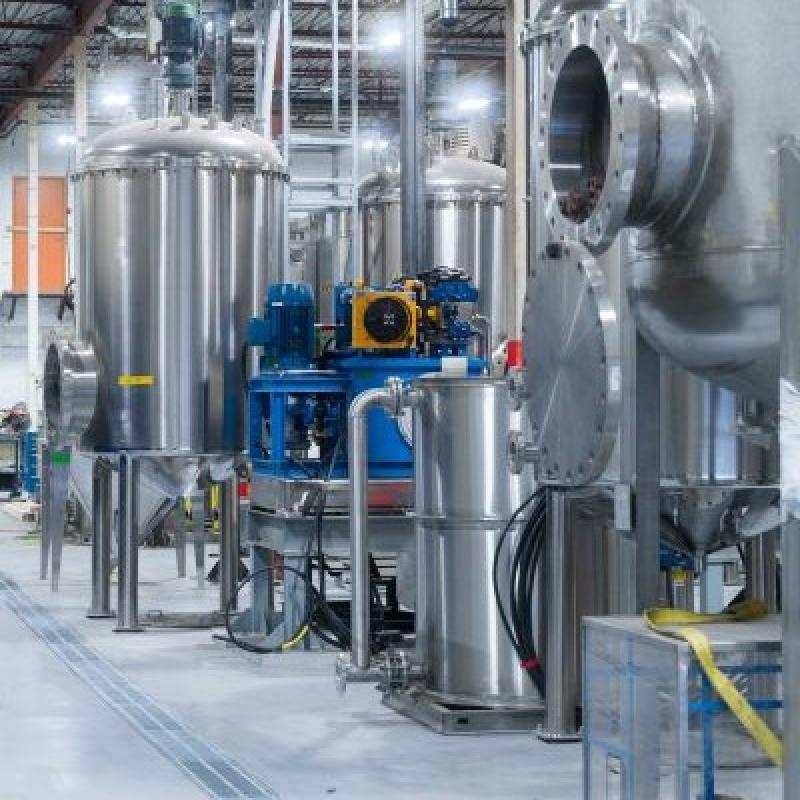
For the approximately 10,000-square-foot demonstration plant, Geomega is installing its hydrometallurgical process. First, Geomega is to receive magnets from recycling and scrap companies around the world, and crush the objects.
The crushed magnets are then subject to chemical reactions involving reagents and acids, where metals slough off step by step. This results in high-purity rare earth elements such as neodymium, praseodymium, dysprosium and terbium, along with other valuable metals such as iron, boron and nickel.
Approximately 98 per cent of the metals can be recovered from the magnets, Mugerman said. The facility is designed to process 1.5 tonnes of magnets per day, translating to approximately 150 tonnes of rare earth oxides per year, he added.
Geomega plans to send the processed metals to buyers. The expectation is to give the rare earths to refiners that can further purify the metals to produce new magnets. The iron can be used for various industries, depending on the grade, Mugerman said.
If successfully demonstrated, Geomega’s magnet recycling would result in “basically zero liquid or solid effluent,” Mugerman said, and almost all the reagents being reusable. Additionally, it would result in less than half of the carbon footprint compared to conventional rare earths production, he continued.
How Geomega could commercialize the demo plant

The demonstration facility is the same one Geomega has been developing since 2023, when Sustainable Biz Canada last covered the project.
Since then, the facility has been scaled down slightly and redesigned to use a continuous process that can achieve the throughput capacity in a smaller footprint, Mugerman said.
He said it was a “surprise” it would take this long to receive environmental permitting for the demonstration project. However, he also recognizes Geomega is pioneering a new technology, which can extend the approval phase.
The goal of the demonstration is to show that “the recovery of (our) products is as high as advertised,” Mugerman said, plus showcase the final purity, the greenhouse gas emission reductions, recovery of reagents, and the versatility of the process.
Construction is expected to be mostly finished by the end of the summer, enabling commissioning.
If the results match expectations, Geomega plans to apply for a full commercial environmental permit during the demonstration, Mugerman said.
Larger commercial-scale facilities, such as those built adjacent to magnet manufacturing plants, could get three to five times bigger than the demonstration site, he explained, depending on the volume of waste from clients. Geomega is in talks with other companies to partner on commercial-scale conversion, Mugerman added.
Geomega’s other projects
Geomega plans to license its technology to other companies that own the feedstock as its commercialization strategy.
As Geomega works on its magnet recycling facility, it is also progressing on its bauxite residue valorization plan. Called a “very exciting field” by Mugerman, Geomega has developed a way to take the bauxite residues from aluminum refineries and extract lingering aluminum, iron, rare earth elements, titanium and reagents.
“It opens an opportunity for aluminum refiners to reduce their residue and at the same time generate additional revenue streams,” Mugerman said.
In 2025, Geomega’s subsidiary Innord Inc. entered into a joint development agreement with Rio Tinto, one of the world's largest mining companies, to demonstrate the bauxite valorization technology. It could lead to a demonstration site in Saguenay, Que.
Geomega is constantly searching for other opportunities from residues that have metals, and is “very excited about the pipeline of projects that we have,” Mugerman said.


 Industry Events
 Locations