


 Locations


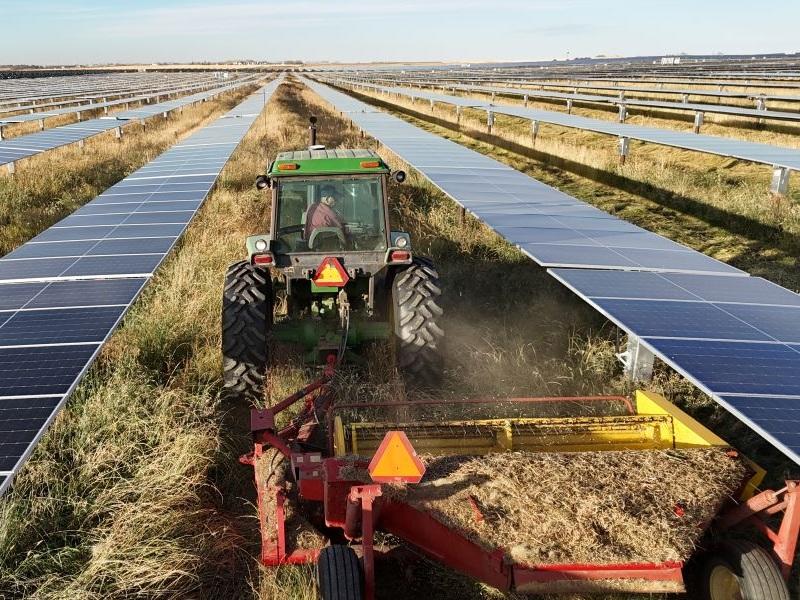



Renewable energy developer Caelo Energy is entering the market with a development pipeline of about one gigawatt across Canada and the backing of one of the nation’s largest pension funds.
Earlier this month, the Public Sector Pension Investment Board (PSP Investments) sold FirstLight's U.S. operations to Hull Street Energy, while retaining its Canadian portfolio of hydroelectric facilities in Québec and Ontario. The Canadian operations have since been rebranded as Caelo, which is positioning itself as a developer of a broader portfolio of clean energy assets.
Oshawa, Ont.-based Caelo is encouraged by the momentum for renewable energy in Canada, chief legal officer Maxine Mongeon said in an interview with Sustainable Biz Canada, particularly wind, solar and batteries for its upcoming projects.
The commitment to renewables is apparent in its very name. Caelo is derived from the Latin word for sky, and meant to evoke the sun, wind and water, which are key elements of renewable energy, Mongeon said.
PSP Investments, which had $320.6 billion in net assets under management as of March 31, “wants to invest more in Canada,” she said. “Electrification in Canada is an important part of our nation’s objectives. It’s a great time to be in renewable energy in operation and development.”
Caelo’s portfolio
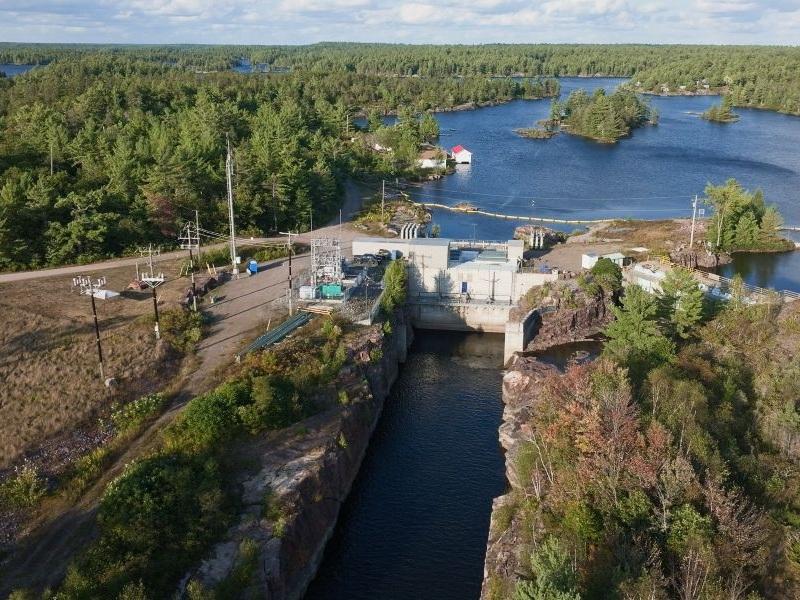
Caelo's hydroelectric portfolio has a combined capacity of more than 200 megawatts (MW). Most of its assets are located in Ontario, including the 44.3 MW Island Falls Generating Station and the 29.7 MW Iroquois Falls Generating Station.
While hydroelectric generation makes up the oldest assets of the company, Caelo is turning to solar, wind and energy storage “because that’s where renewable energy development is going,” Mongeon said.
“We obviously follow the calls for power of the various governments,” she said about Caelo’s strategy, where it would develop the projects that supply power to provincial grids under long-term utility contracts. Such deals are “very attractive” to pension funds like PSP Investments, she continued, because they are stable and indexed to inflation.
Another major driver is the growing momentum for renewables. Clean energy projects have been steadily picked up across Canada, helped by government calls for power in British Columbia, Nova Scotia, Quebec and Ontario. This gives developers like Caelo time to prepare projects and more certainty.
Additionally, the Canadian government is sending “good signals” with the 2026 budget, Mongeon said, which includes a plan to invest tens of billions of dollars into electrification, renewable energy and the grid.
Development plans
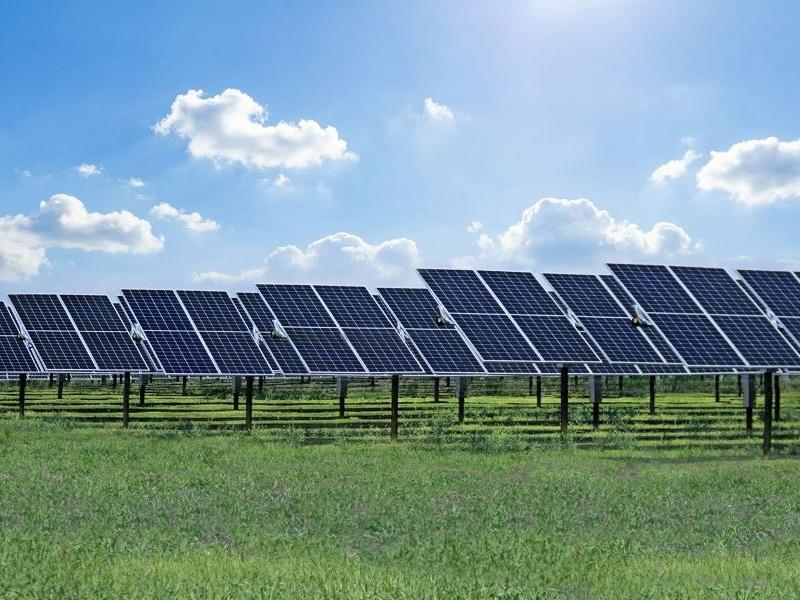
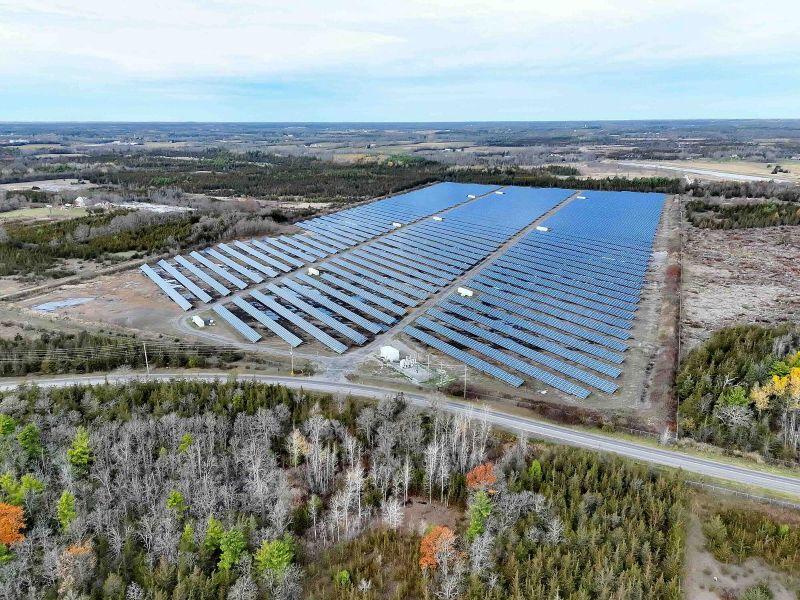
The most advanced project in Caelo’s pipeline is the 57.2 MW Fort Frances Solar Project in Ontario, which is being developed in partnership with the Lac Des Mille Lacs First Nation. Such capacity is enough clean electricity to power approximately 8,000 Ontario households, based on average consumption.
Caelo was awarded a 20-year power purchase agreement through Ontario’s Long-Term 2 procurement. It is to be connected to the town’s local utility, with commercial operations scheduled to start in 2029.
Next on the company’s development plate are 350 MW of wind energy in Quebec, over 500 MW of solar, wind and stationary batteries in Ontario, and wind energy projects in Atlantic Canada.
Equal partnerships to take centre stage for Caelo
Caelo is concentrating on wind, solar and batteries for future opportunities, while the hydroelectricity assets will remain a “key part” of the company’s portfolio, Mongeon said.
Though it is leaving the door open to developing new hydroelectricity projects, Mongeon noted the impediments like the long timelines and regulatory complexity surrounding the developments. “It’s not an easy thing to do in Ontario or Quebec anymore.”
As a developer, Caelo plans to hold its assets for the long-term, not sell to other parties, Mongeon said. Another part of its development strategy is to prioritize partnerships with Indigenous and local communities. All Caelo developments going forward will be done in equal partnership with a community, she said.


 Industry Events
 Locations

