
 Locations






Canada's electricity system is entering a period of profound change. Electrification, artificial intelligence (AI), data centre growth and population growth are all increasing demand for power.
At the same time, recent periods of extreme heat have shown how quickly electricity use can climb when homes, businesses and industrial facilities are operating at full capacity.
The immediate discussion often focuses on whether the grid can keep up. That is an important question, but it is not the only one. Canada also needs to ask how productively we are using the electricity we already generate.
Energy productivity is the ability to create more economic value from every unit of energy we consume. It should be at the centre of Canada's conversation about electrification because electricity is increasingly a growth input. It powers manufacturing, digital infrastructure, buildings, transportation and the technologies that will shape the next economy.
The more effectively businesses use it, the more capacity Canada can direct toward new investment and expansion.
Electricity is becoming a competitiveness issue
For many organizations, energy has historically been treated as a facilities cost or a sustainability issue. That view is becoming outdated. As electricity demand rises, access to reliable and affordable power will increasingly influence where companies invest, how quickly they expand and whether they can adopt new technologies at scale.
This is especially relevant as AI and data centres expand across Canada. AI workloads require substantial and continuous electricity. Provinces are already seeing large capacity requests, while manufacturers, commercial buildings and transportation systems are electrifying at the same time.
The economic opportunity is significant, but growth cannot depend only on adding new supply. Canada must build more electricity capacity, modernize infrastructure and improve how energy is managed across the economy.
Organizations that use electricity more intelligently will be better positioned to control costs, expand operations and compete for investment.
The fastest capacity is the capacity we do not waste
New generation and transmission infrastructure are essential, but they take time to plan and build. Energy efficiency and demand-side management can begin creating room on the system much sooner.
For businesses, improving energy productivity does not simply mean consuming less. It means using electricity at the right time, in the right place and for the highest-value activity. Practical steps include:
- using smart building controls to adjust cooling, heating and other loads based on real-time conditions;
- deploying digital energy management systems to identify waste and shift flexible demand away from peak periods;
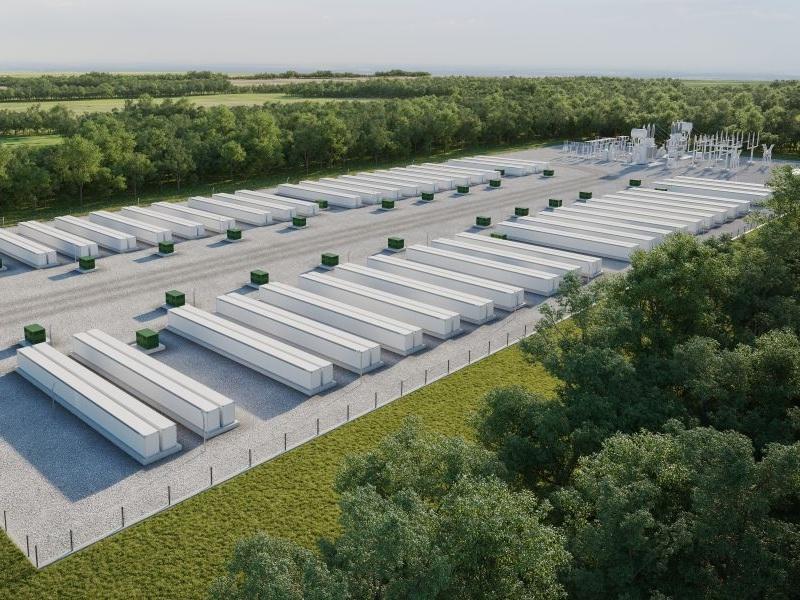
- using on-site storage to reduce peak demand and support operations when electricity is most constrained; and
- optimizing electrified equipment and processes so they deliver greater output with less energy.
These actions can lower operating costs and reduce pressure on the grid, but their broader value is economic. When many organizations improve energy productivity, the system can support more factories, housing, data centres, electric transportation and business growth without requiring every new megawatt of demand to be met immediately by new supply.
Growth requires better coordination
The next phase of electrification will require closer coordination among businesses, utilities and governments. Companies need a clearer understanding of local electricity constraints and future capacity. Utilities need better visibility into how and when demand will grow. Governments need to ensure that efficiency, digitalization and flexible demand are treated as core economic infrastructure, not secondary measures.
Business leaders also have a role to play. Energy strategy should be connected to capital planning, digital transformation and growth decisions.
Organizations should understand where electricity is being used, which loads can be shifted and which investments can improve productivity. That makes energy management a leadership issue, not only a technical one.
A more productive path forward
Canada begins from a position of strength. The country has a relatively clean electricity system, strong industrial capability and growing expertise in digital technologies. The challenge is to turn those advantages into faster and more productive economic growth.
That will require a balanced approach. Canada must continue building the generation, transmission and distribution infrastructure needed for an increasingly electric economy. At the same time, businesses must become much more deliberate about how electricity is used across facilities, operations and technology investments.
Canada needs to build more electricity capacity, but we also need to get much more value from the capacity we already have. Every megawatt we avoid wasting is a megawatt we can redirect toward economic growth.




 Industry Events
 Locations