Locations
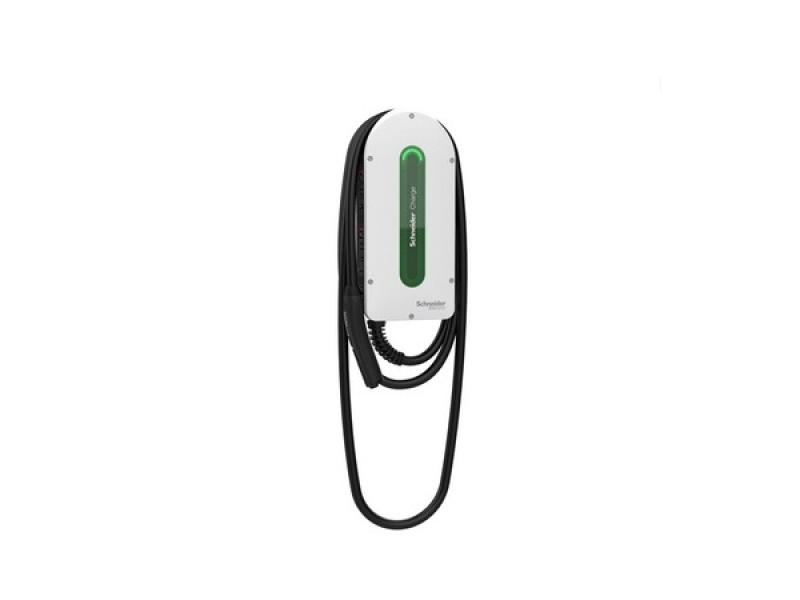






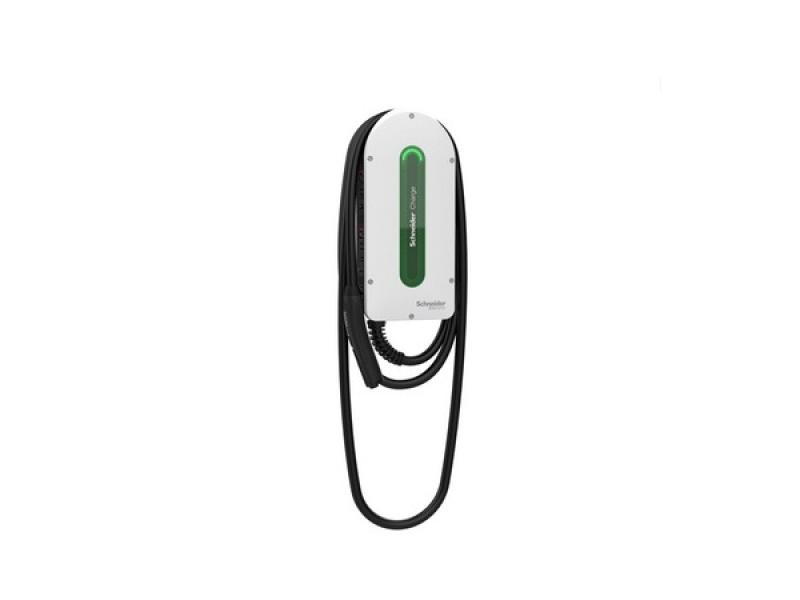
Schneider Electric is targeting one of the biggest barriers to installing home electric vehicle (EV) charging — limited electrical capacity — with a new Level 2 charger designed to deliver faster charging without requiring a panel or service upgrade.
Schneider Charge can provide up to 11.5 kilowatts of charge at 48 amps. At maximum output, it can add up to approximately 71 kilometres of driving range per hour, depending on the vehicle and other operating conditions. It is compatible with the NACS (J3400) and J1772 connectors.
Schneider developed Charge “to address one of the most common barriers to installing Level 2 EV charging at home: limited electrical panel or service capacity,” Stephanie Medeiros, head of mobility at Milton, Ont.-based Schneider Electric Canada, said in an email exchange with Sustainable Biz Canada.
Helping to achieve that is SmartAmp, a built-in dynamic load management system which monitors a home’s electricity use and adjusts the charging speed so the charger stays within the panel’s capacity. This eliminates the need for additional energy-monitoring hardware, Schneider said.
The purpose of Schneider Charge is to provide consumers with a fast, simple installation, Schneider said.
Easier, cheaper home EV charging
Installing a home EV charger involves addressing questions such as whether the building can support the additional electricity load. Between potential panel upgrades, permits and labour, adding a Level 2 charger to a home can cost thousands of dollars in Canada. The cost of buying an electric car has been consistently cited as a persistent roadblock to even wider adoption of EVs, and the charging equipment is a contributing factor.
SmartAmp is designed to bypass this hurdle. It continuously monitors the home’s electricity demand and automatically adjusts the charger’s output based on the available capacity, Medeiros said. The Schneider Charge app can arrange a charging schedule around time-of-use electricity rates and prioritize charging when electricity is at a low cost.
“For homeowners, this means the charger can adapt to what is happening elsewhere in the house,” Medeiros said.
When household electricity demand is high, SmartAmp can reduce the charging speed. If demand decreases, the charging speed can be accelerated. This, Medeiros continued, helps make Level 2 charging possible in more homes without requiring an electrical service upgrade.
To further shave costs, SmartAmp uses the included current transformers which are installed in the home’s main or sub-panel to monitor electricity demand and adjust charging output in real time. This feature, Medeiros explained, removes the need for a separate energy-monitoring device and further lowers service or panel upgrade fees.
Built for Canadian winters
Schneider Charge is designed primarily for residential applications, Medeiros said, including single-family homes. It can be wall-mounted indoors or outdoors, and is designed to operate in temperatures as low as -30 C.
The company anticipates interest in Schneider Charge from homeowners across Canada “who want the convenience of Level 2 home charging but may be concerned about the electrical capacity of their existing home,” Medeiros said.
For other applications, such as multiunit residential buildings, workplaces, destination charging and fleets, Schneider Electric offers other chargers like Schneider Charge Pro. A Level 2 charger, Schneider Charge Pro can deliver up to 19.2 kilowatts of power and includes charging management software.
Schneider Charge is available through electrical distributors and online portals of retailers, with in-store availability at major retailers across Canada expected to follow later this year.


 Industry Events
 Locations