
 Locations




MAX Power Mining Corp. (MAXX-CN) is partnering with the City of Moose Jaw to power a nearby industrial hub with a low-carbon energy source: hydrogen drawn from the ground not too far from the city.
Under a memorandum of understanding, the plan is to jointly develop natural hydrogen opportunities within the Regina-Moose Jaw Industrial Corridor. The corridor is a regional centre for petroleum refining, steel manufacturing, biofuel production and agricultural product manufacturing.
Hydrogen molecules are used in those sectors, but are often sourced from carbon-intensive methods such as steam methane reforming, a process resulting in what is referred to as grey hydrogen. MAX aims to provide a more sustainable alternative from its Lawson system near Central Butte, approximately 80 kilometres northwest of Moose Jaw.
The Saskatoon-based natural hydrogen explorer and aspiring commercial project developer calls the partnership the “backbone” of its “months-to-molecules commercialization strategy,” its investor relations lead Chad Levesque said in an interview with Sustainable Biz Canada.
Hydrogen gas "discoveries can move from discovery to movement of molecules to commerciality very quickly, and we need to be proactive,” he said. The relationship with Moose Jaw is “the first step in broadening that commercialization strategy,” Levesque added.
The MAX-Moose Jaw hydrogen partnership
MAX and Moose Jaw plan to explore the monetization of hydrogen that could be used in the infrastructure of the Moose Jaw corridor. Beyond the industrial corridor, Bell Canada also announced its intent to develop one of Canada’s largest data centres in Sherwood, Sask., approximately an hour’s drive away from Moose Jaw.
Given the opportunities from the influx of energy-hungry buildings and infrastructure, MAX looks to provide a low-carbon solution, Levesque said. Compared to grey hydrogen, hydrogen extracted from the earth is expected to carry significantly less carbon emissions.
Natural hydrogen is also anticipated to be economically competitive, Levesque continued. While it depends on the location, MAX expects natural hydrogen to cost from $0.50 to $1 per kilogram. That would be considerably cheaper than grey hydrogen at $2 to $3 per kilogram or hydrogen produced with an electrolyzer powered by renewable energy at $5 to $7 per kilogram.
The existing logistics, infrastructure, workforce and hydrogen demand in the corridor would help MAX, Levesque said, speeding up the process of moving from discovery of hydrogen sites to monetization.
“We’re right in the heart of the key infrastructure where the demand and infrastructure for that molecule is,” he said, “so that months-to-molecules mandate is something that can very rapidly happen on commercial discovery.”
The Regina-Moose Jaw Industrial Corridor has been pointed out as a possible nexus for the hydrogen industry. In a report from 2024, the Transition Accelerator examined the potential for the corridor to produce, use and export low-carbon hydrogen.
Moose Jaw, Levesque said, is excited by the partnership. It would provide jobs and support the local industry.
"Immense potential" for future development
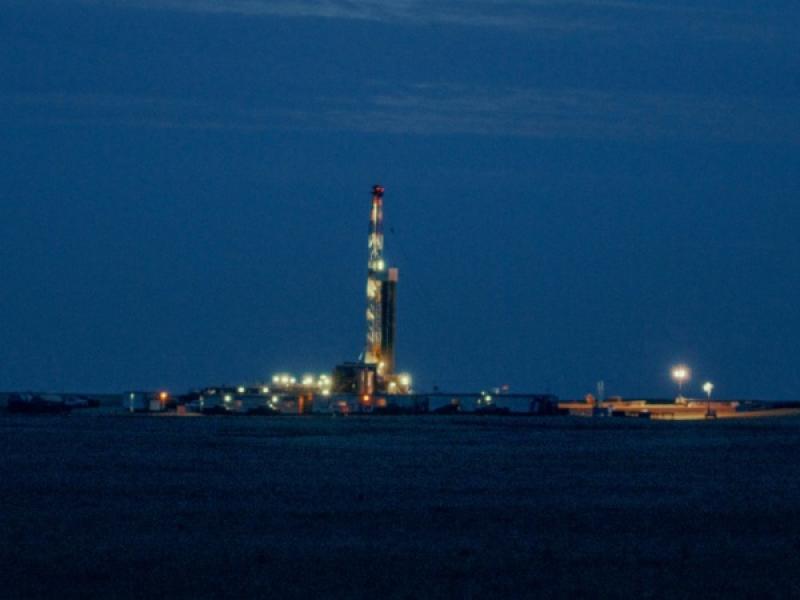
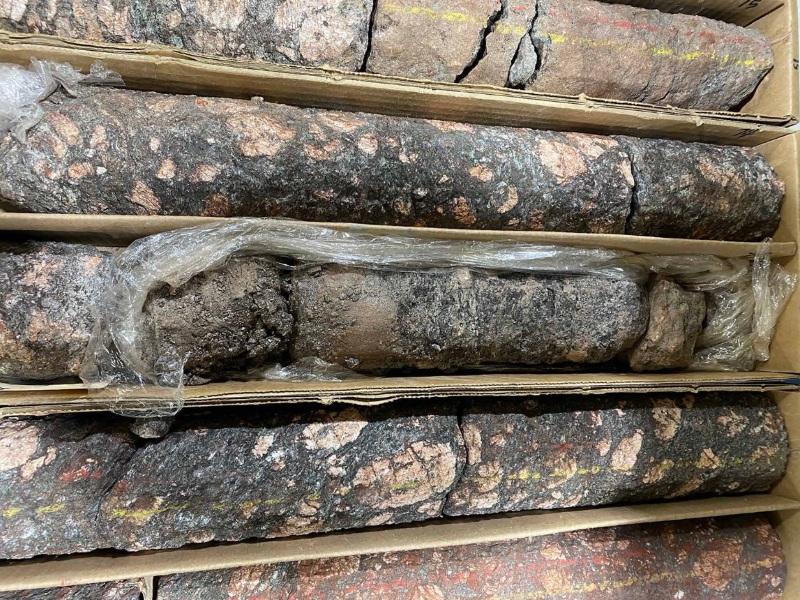
The initial focus for rapid development of natural hydrogen is MAX’s Lawson site, which the company calls Canada’s first subsurface natural hydrogen system. At Lawson, MAX discovered hydrogen concentrations in samples ranging from 168,000 to 286,000 parts per million.
MAX aims to start drilling in June to July, with the goal of getting Lawson to commercialization soon after.
Levesque could not disclose an expected timeline for Lawson’s commercialization, nor the projected hydrogen production.
Other than Lawson, MAX is exploring dozens more potential sites in the 475-kilometre Genesis Trend corridor in southeast Saskatchewan (where Lawson sits) which could supply the industrial corridor in the future.
“We have immense potential for further development assets where we see this big vision of a hydrogen hub emerging,” anchored by partnerships in the industrial corridor, Levesque said.
MAX has more announcements to make regarding its exploration activities this year, he said.
Indicative of the interest the company has attracted, MAX announced last week it received a $25-million non-brokered private placement from Eric Sprott, a Canadian billionaire who made his fortune from investing in precious metals.


 Industry Events
 Locations